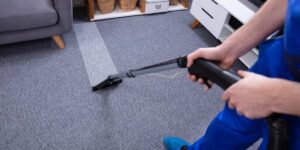
How Frequently Should You Book a Professional Carpet Cleaning?
Carpets do a lot more than cover your floors. They bring warmth, comfort, and style to your home. But over tim...
Read More

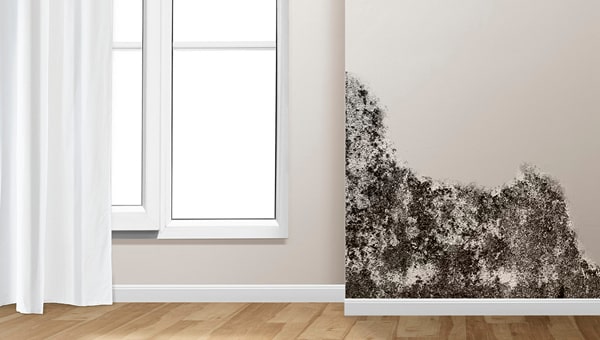

Mold Removal & Remediation in Chicago, IL Safe, Thorough Mold Cleanup That Fixes the Cause, Not Just the Symptom Chicago buildings give mold plenty of opportunities. Humid summers, damp basements, aging masonry that wicks moisture, and winters spent sealed up tight with little ventilation all create the conditions mold needs. Whether you’ve found visible growth […]
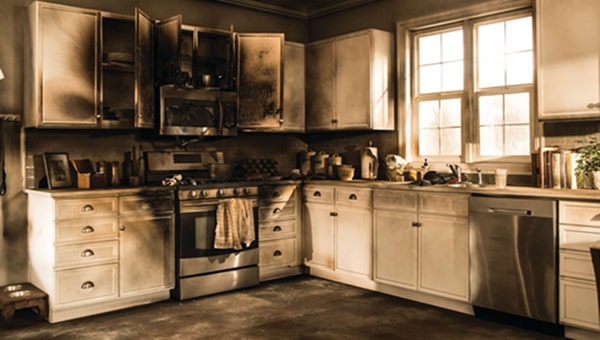

Fire Damage Restoration in Chicago, IL 24/7 Emergency Fire and Smoke Cleanup, From Board-Up to Rebuild After the fire department leaves, the damage keeps going. Soot is acidic and starts corroding metal and etching surfaces within hours. Smoke odor works its way into drywall, cabinets and fabric. The water used to put out the fire […]
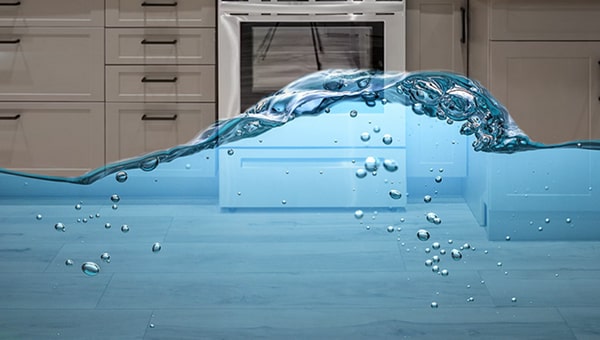

24/7 Emergency Water Cleanup for Homes and Businesses Across Chicagoland In Chicago, water damage has a season for everything. January brings frozen and burst pipes when the temperature swings below zero. Spring thaw and heavy summer downpours push water into basements faster than sump pumps can handle. And in the city’s older housing stock, from […]


Sewage Backup Cleanup in Chicago, IL 24/7 Emergency Cleanup for One of Chicago’s Most Common Basement Disasters Sewage backups are a fact of life in Chicago. Much of the city and many older suburbs run on combined sewer systems that carry stormwater and wastewater in the same pipes, and when a heavy summer storm overwhelms […]
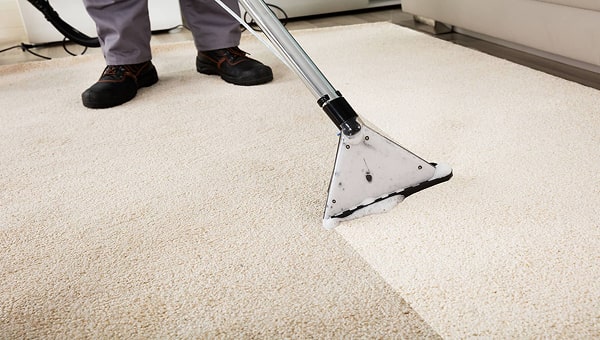

Professional Carpet Cleaning in Chicago, IL Deep Cleaning That Gets Out What Chicago Tracks In Chicago is hard on carpet. Half the year it’s road salt, slush and grit tracked in from the sidewalk; the other half it’s humidity, pollen and everyday city grime. Add pets, kids and the occasional spilled glass of wine, and […]
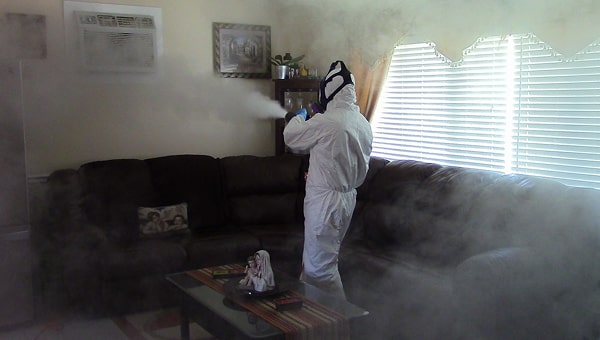

Odor Control & Deodorization in Chicago, IL We Remove Odors at the Source, Not With Air Freshener A smell that won’t go away is usually a message. Musty basement odor points to moisture or hidden mold. Lingering smoke smell means residue is still embedded in walls, ducts or fabric. Pet odor that survives every cleaning […]


Emergency Storm Response in Chicago, IL 24/7 Storm Damage Cleanup, From Summer Derechos to Winter Ice Chicago weather swings hard. Summer brings severe thunderstorms, damaging straight-line winds, hail and flash flooding that can overwhelm sewers and fill basements in an hour. Winter answers with lake-effect snow, ice storms, and freeze-thaw cycles that build ice dams […]




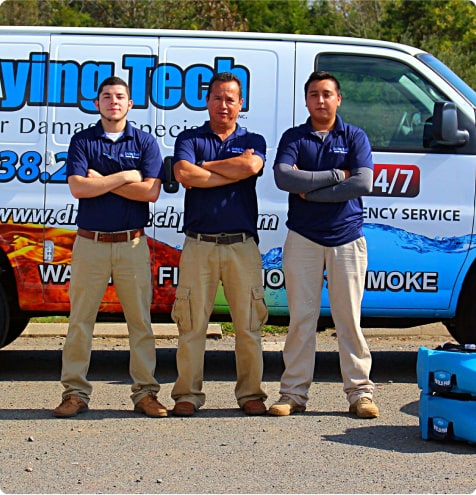
Our mission for Drying Tech is to build relationships with customers. We want to ease the mind during a stressful time. We care about your property the way we care about our own. We strive to be friendly, respectful, helpful, and to provide a safe environment while remediating your property.




Sensitive people who have touched or inhaled mold or mold spores may have allergic reactions such as a runny nose, sneezing, nasal congestion, watery eyes, skin rash and itching (dermatitis). Molds can trigger asthma attacks in people who are allergic to molds, causing wheezing, chest tightness and shortness of breath.
The time to completely dry a structure depends on many variables such as temperature, humidity, how quickly emergency services begin, amount of saturation and the types of materials affected. Through consistent monitoring and evaluation of the drying process, we can determine when drying is complete. While there are no rules to determine how long your property will take to dry, we can tell you that on average a typical water loss will dry out in three days but can be longer.
Ash is highly acidic and prone to dispersing through the air when it is disturbed, which can be as easy as breathing on it. When swept up into the air, the building’s climate control system will pick it up and blanket entire rooms, making it much more difficult to get rid of. Because it is acidic, it will eat away at a number of materials if it sits for long, especially glass, metal and drywall.
Within a couple days, ash can permanently etch glass, including windows, weakening them considerably and forcing replacement. During this time, any drywall covered in ash can permanently discolor, turning to a sickly yellow and becoming a major eyesore. After a couple weeks, ash will corrode metals, which can result in water leaks or other expensive problems.
And ash is not just a risk to the building. It can also irritate lungs, throats and eyes, resulting in breathing difficulty, coughing, sneezing and general discomfort. This is particularly troublesome for children with asthma, as the ash can trigger an attack.
According to the IICRC S500 Standard 3rd Edition, there are over 120 different viruses that can be excreted in human feces and urine and find their way into sewage. These can include Rotavirus, causing severe and sometimes life-threatening diarrhea in children, Adenoviruses, causing respiratory and eye infections, and Norovirus, a significant cause of gastric flu or stomach flu. There are highly infectious parasitic agents like Giardia and Cryptosporidium that can cause chronic and severe intestinal diseases in both children and adults. Bacterial pathogens in sewage can include Salmonella, Shigella and Escherichia coli. These gram-negative organisms contain endotoxins that are released at the time of cell death and destruction. Endotoxins can cause respiratory inflammation, airway restriction, create the potential allergic and infectious disease responses and when inhaled they may adversely influence the central nervous system.